|
The Atlantic salmon (Salmo salar) stands as a testament to the enduring resilience and significance of the majestic species within the realm of aquatic ecosystems. Renowned for its remarkable life cycle, ecological importance, and cultural significance, the Atlantic salmon commands reverence and admiration on a global scale.
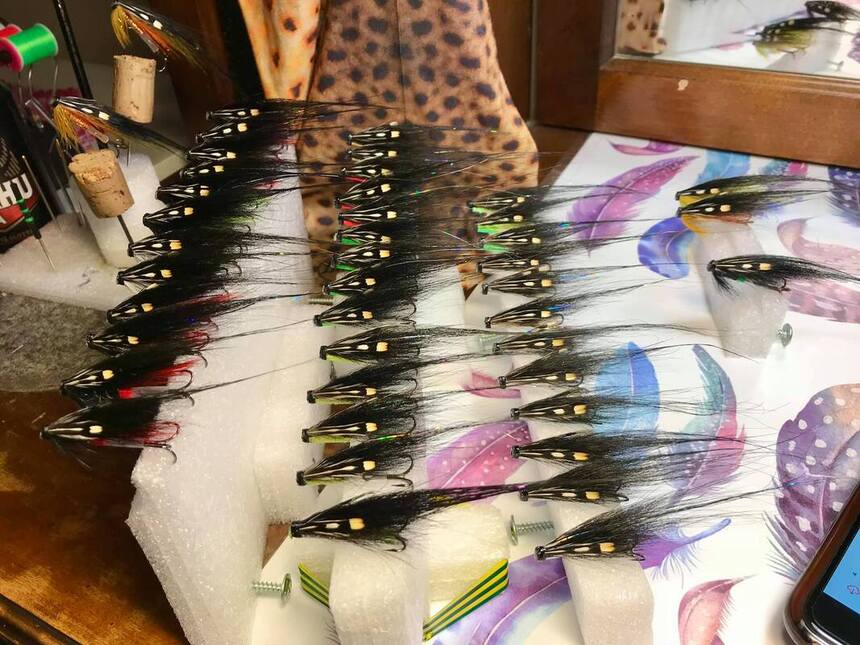
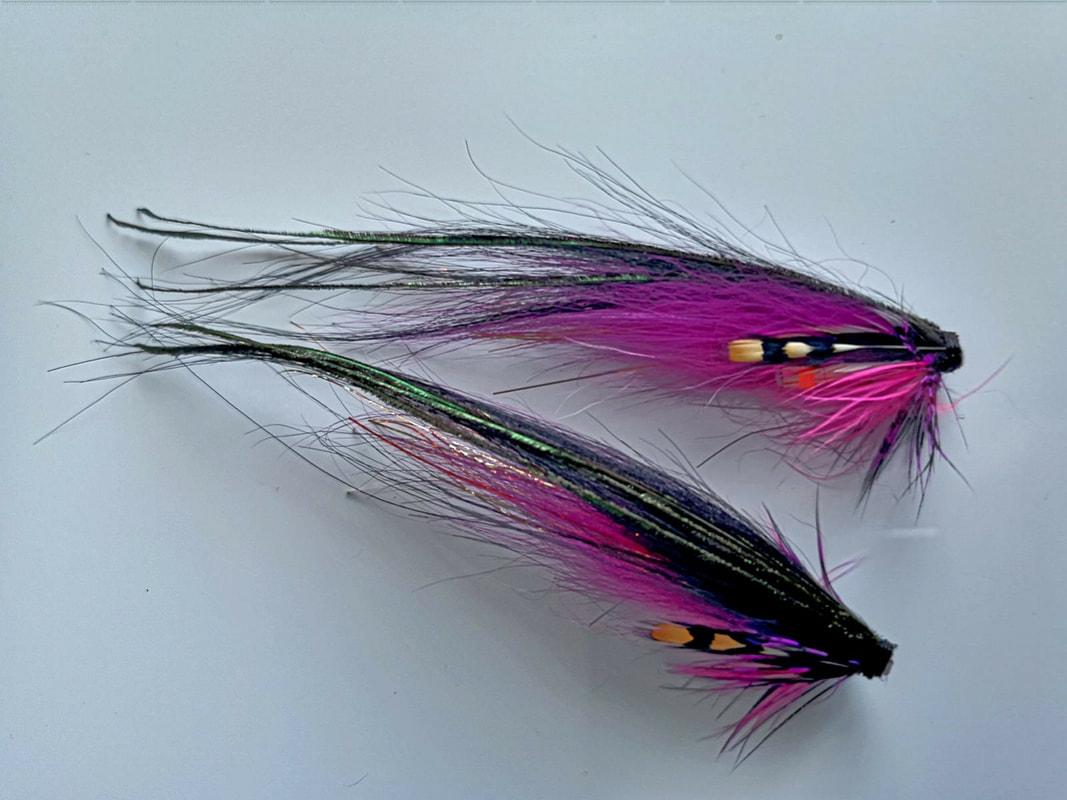
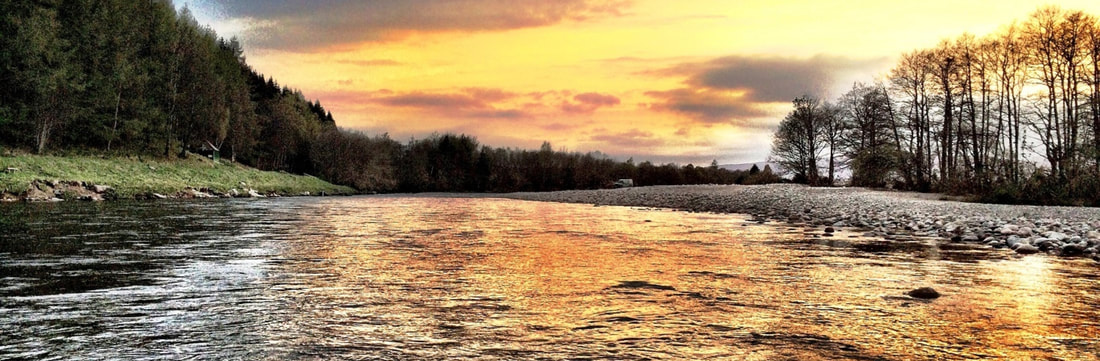
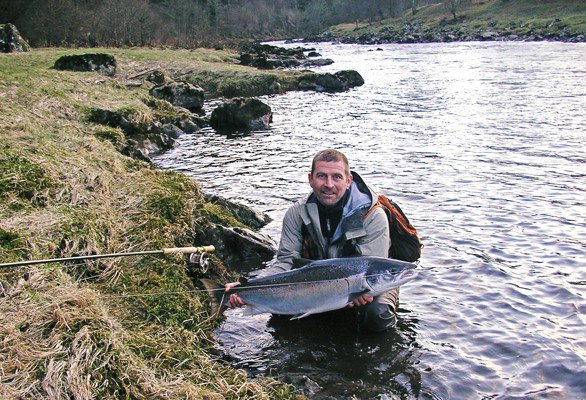
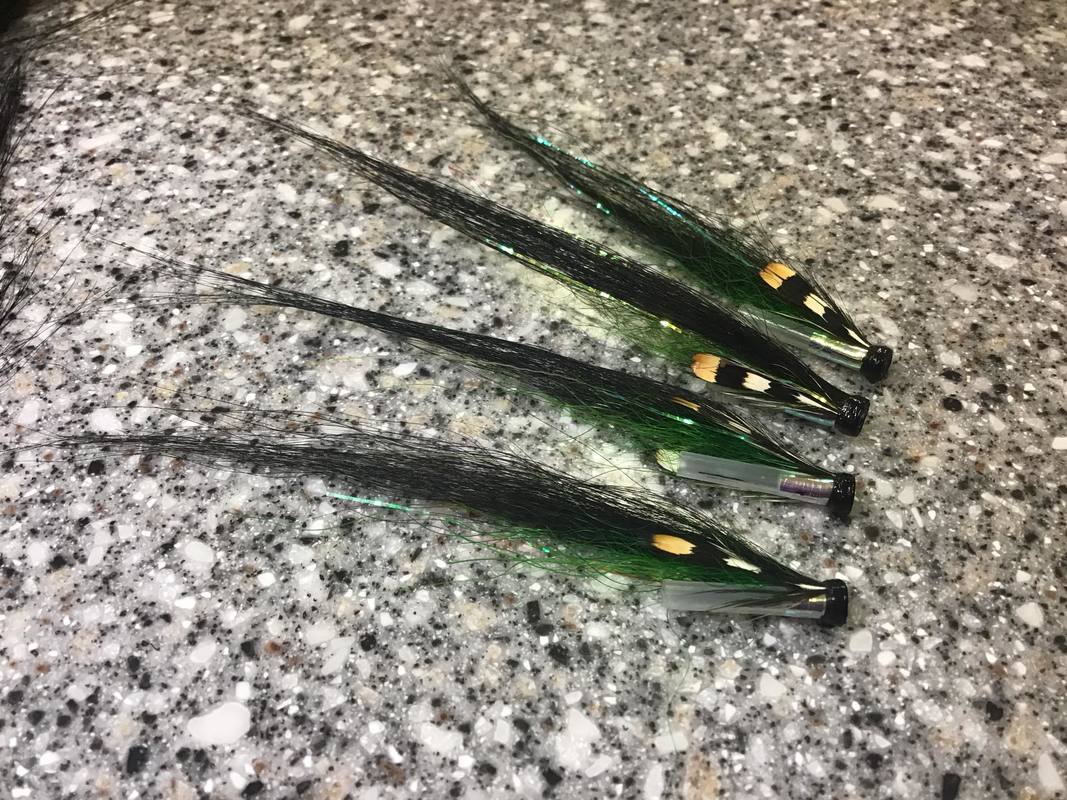
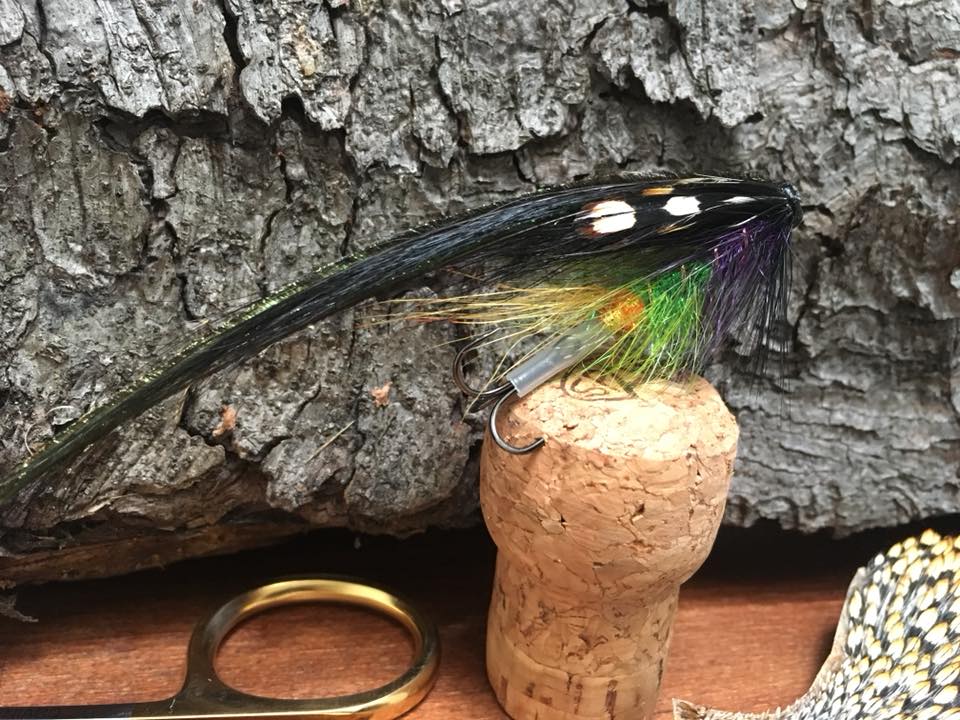
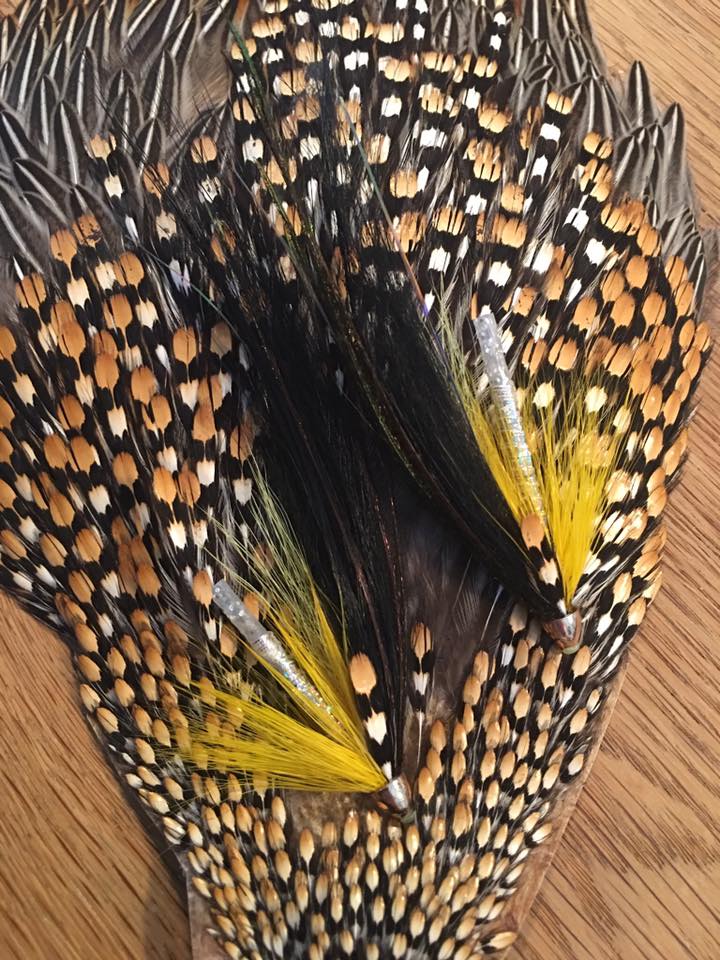
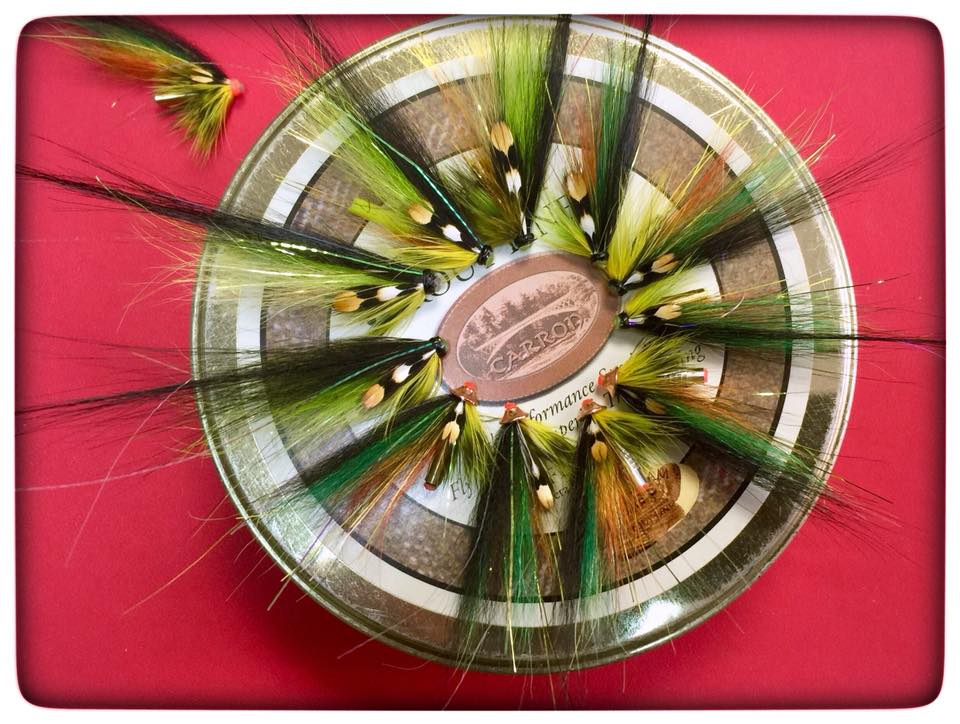
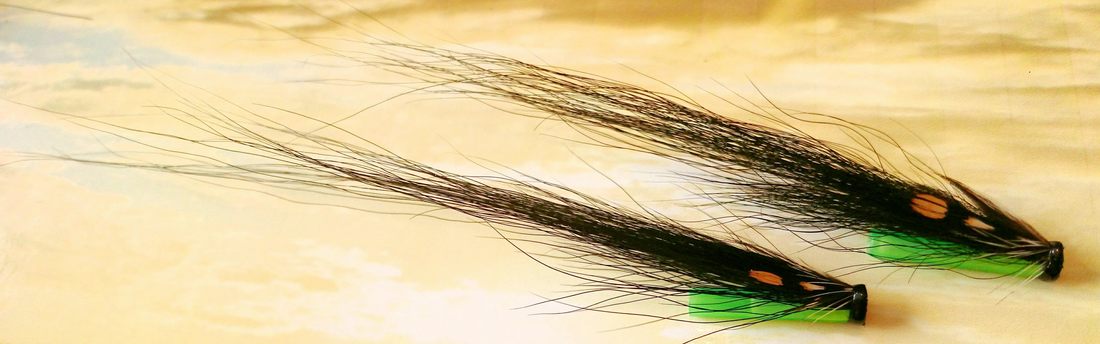
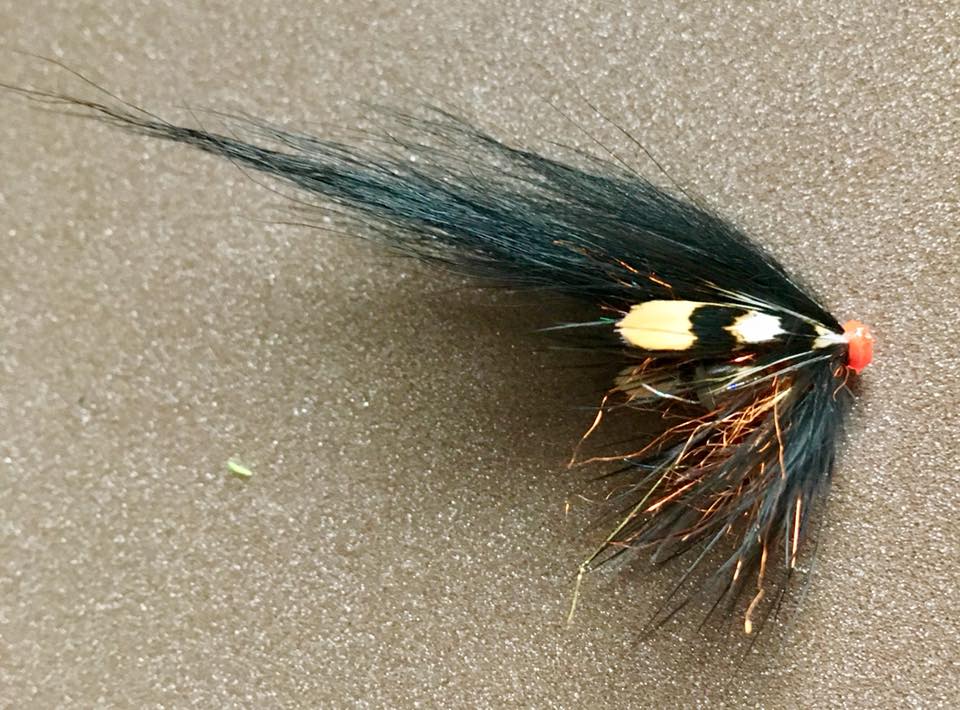
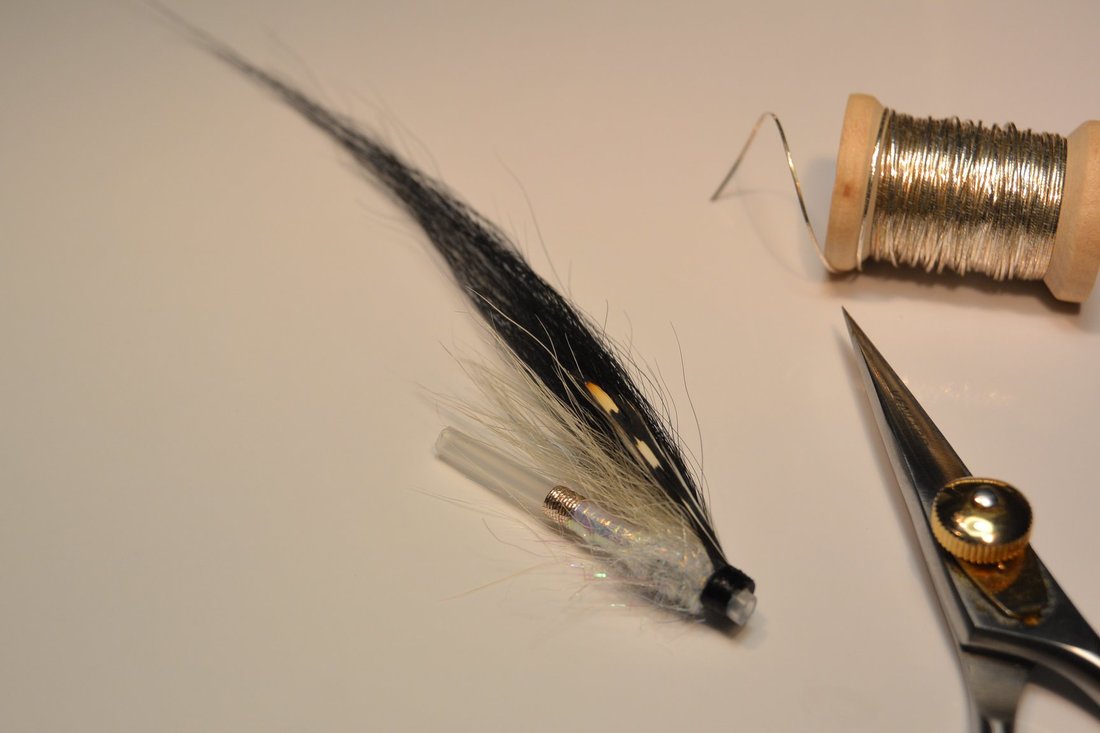
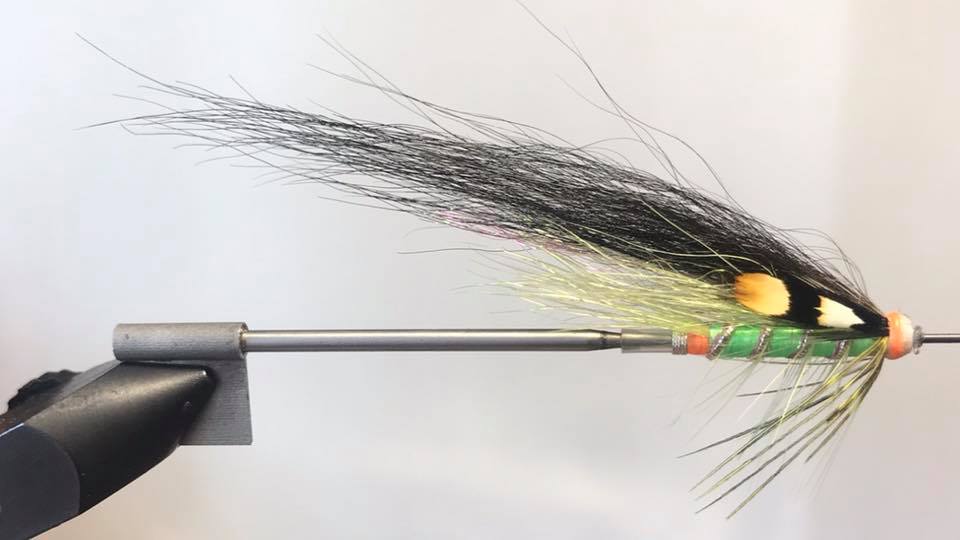
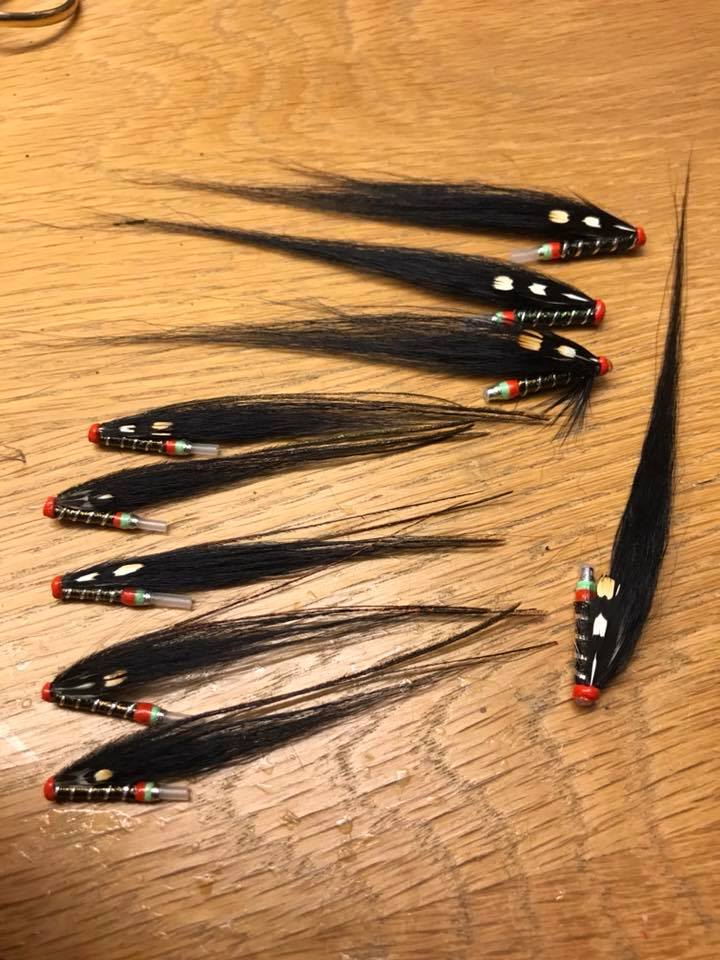
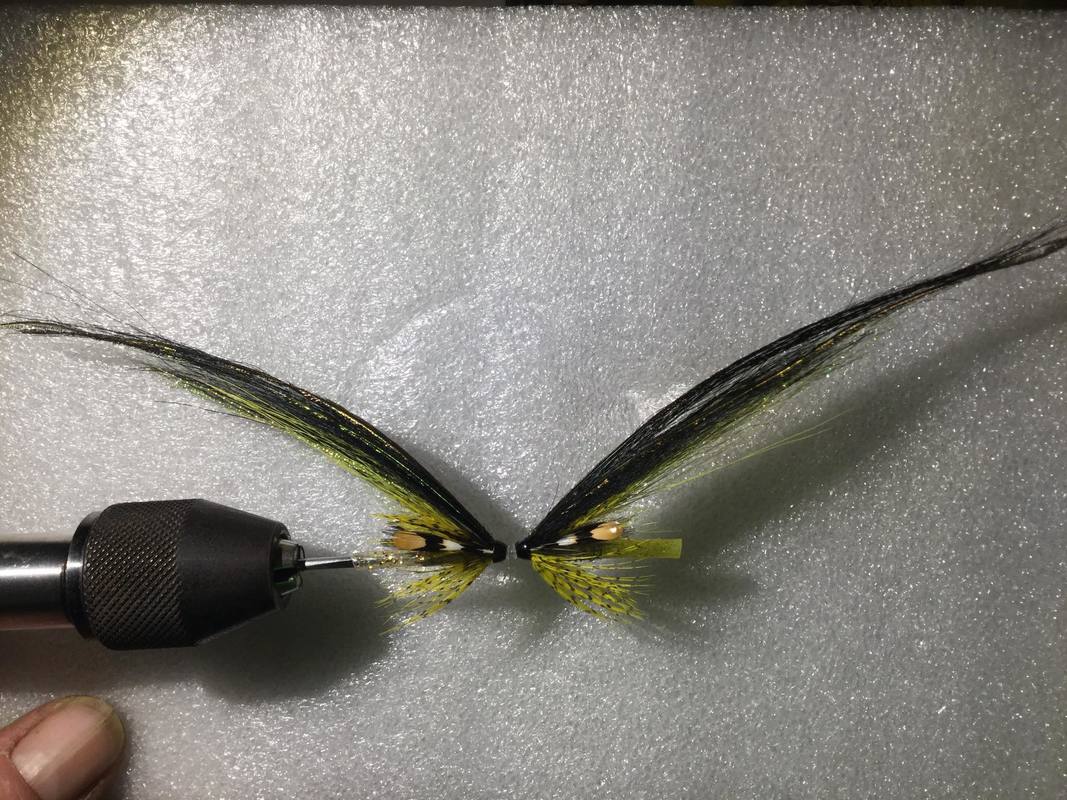
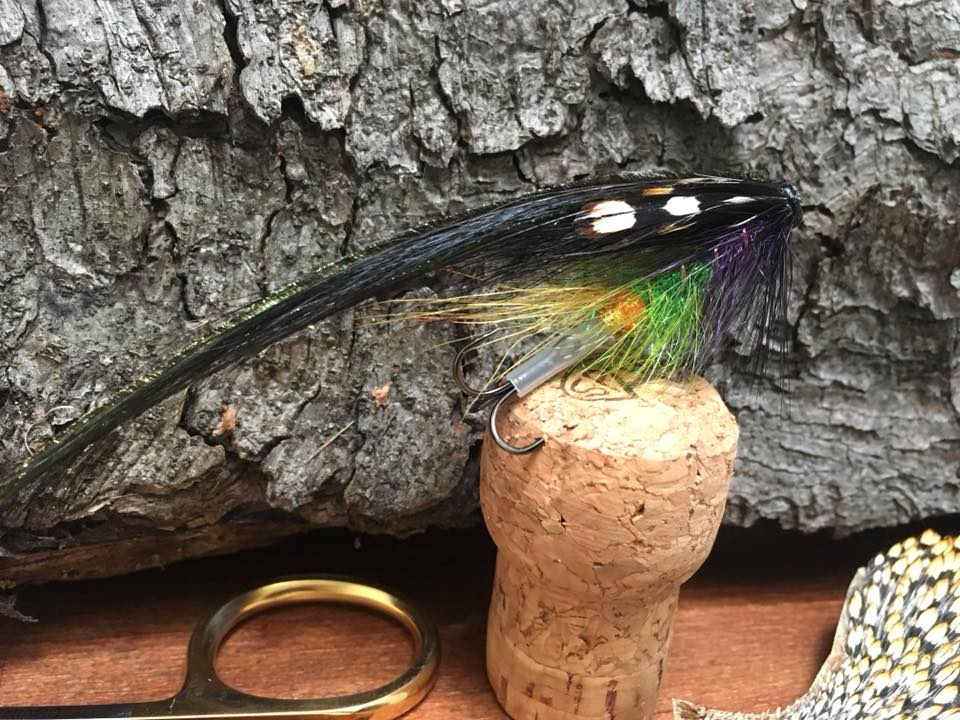
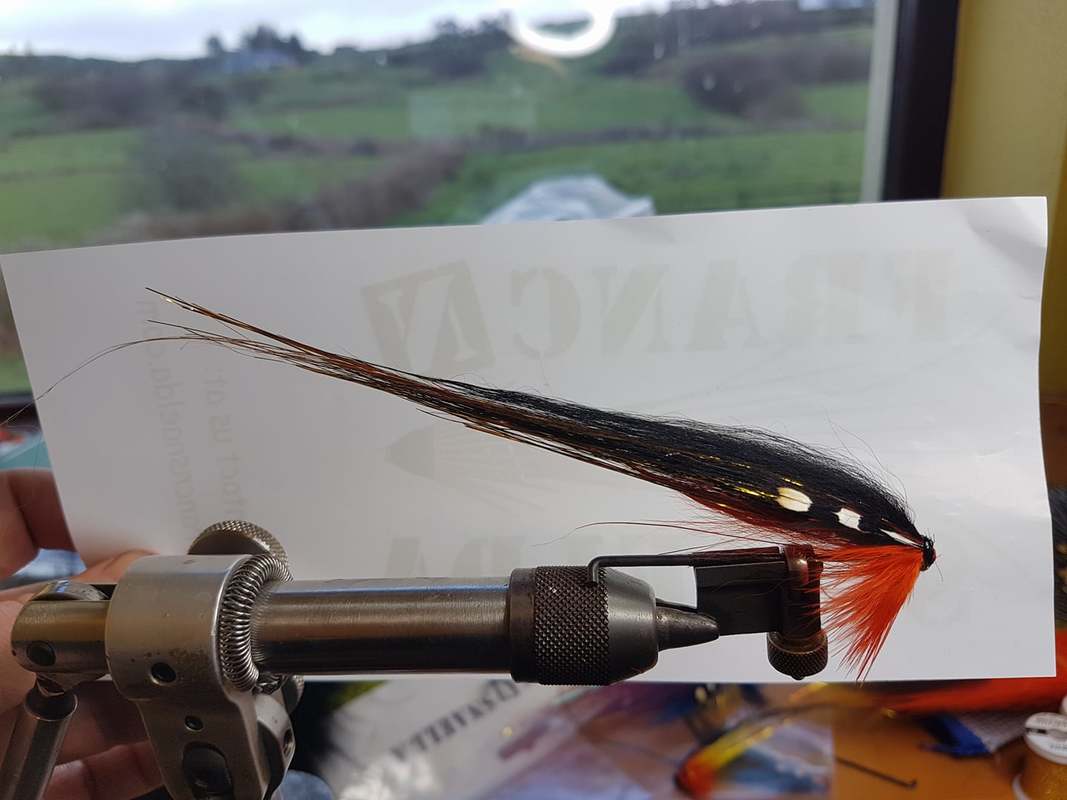
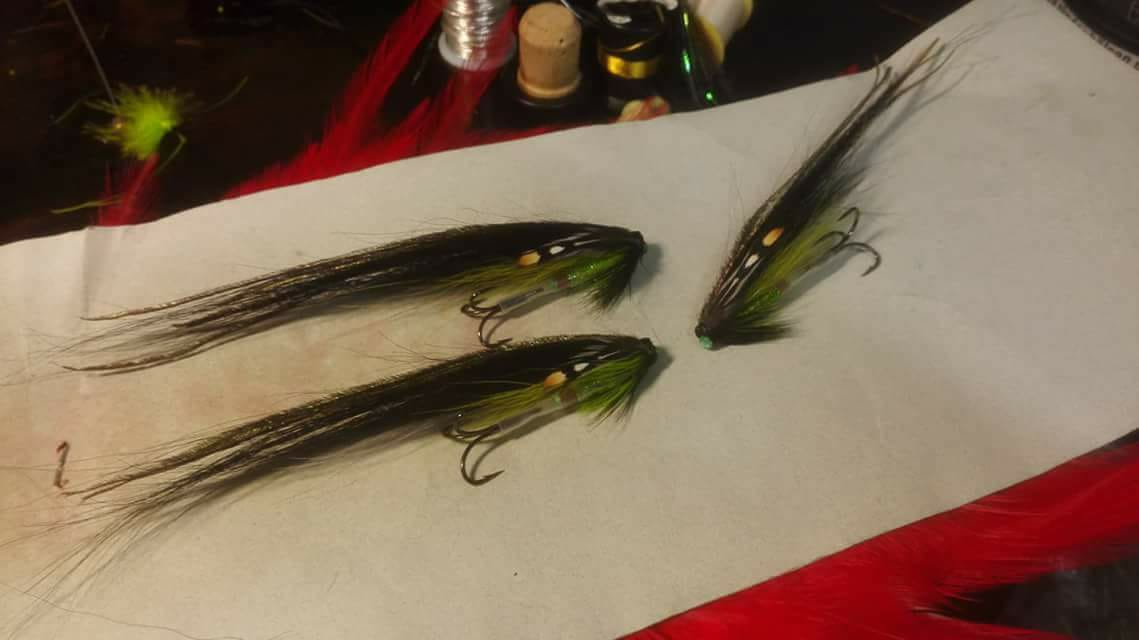
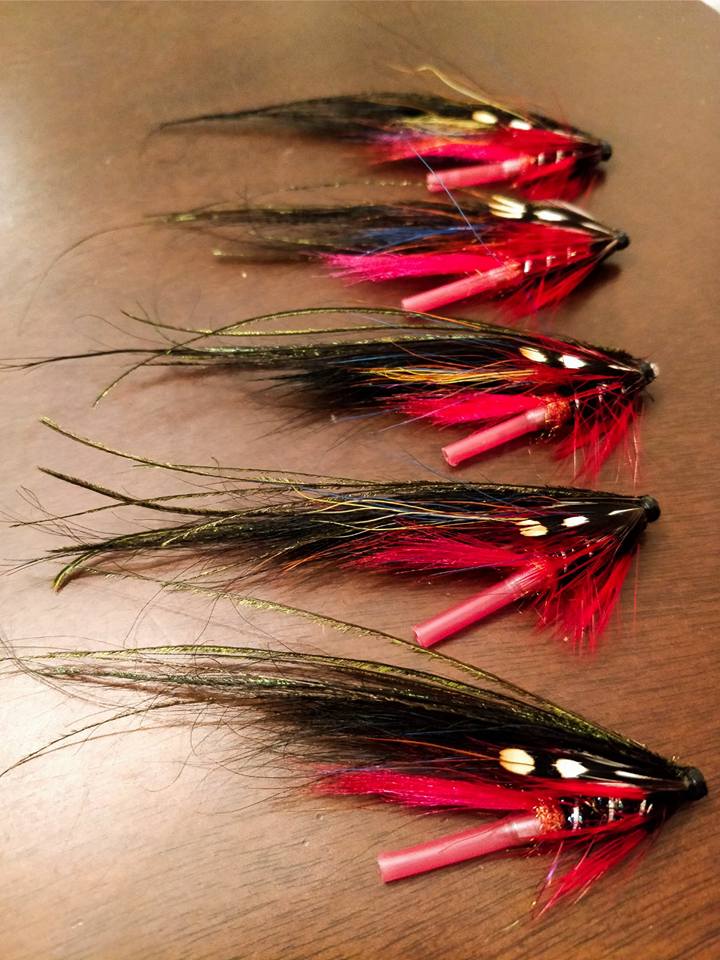
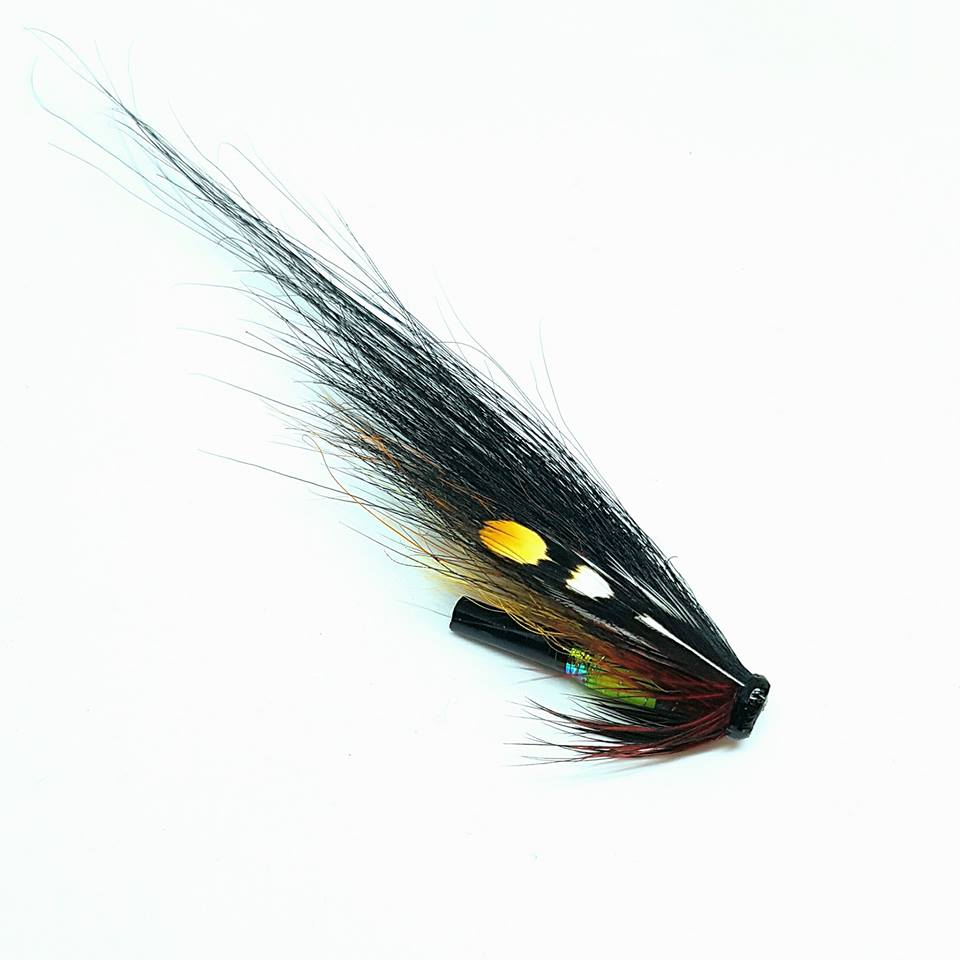
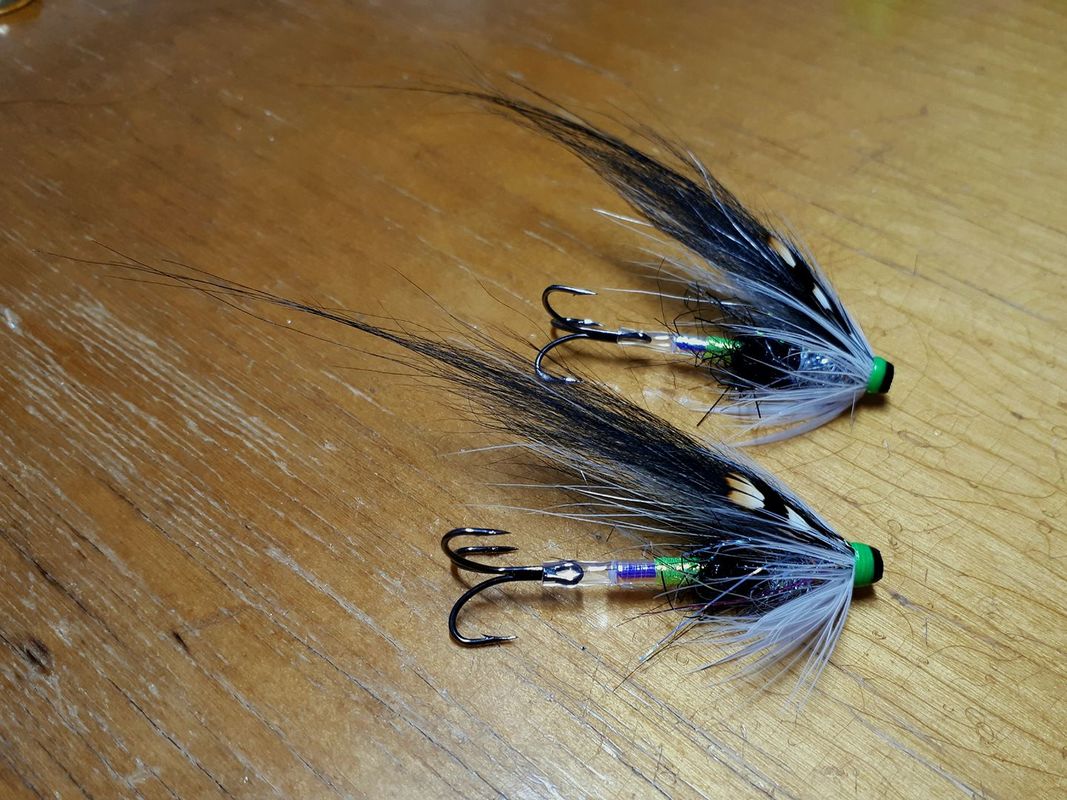
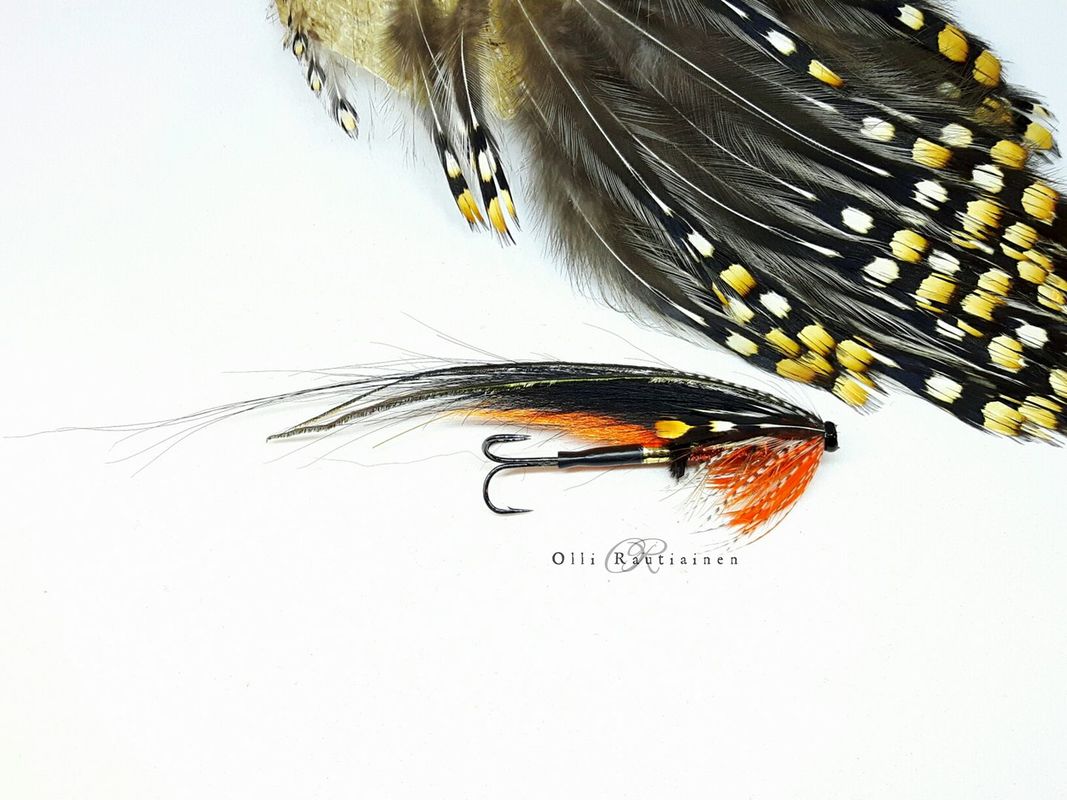
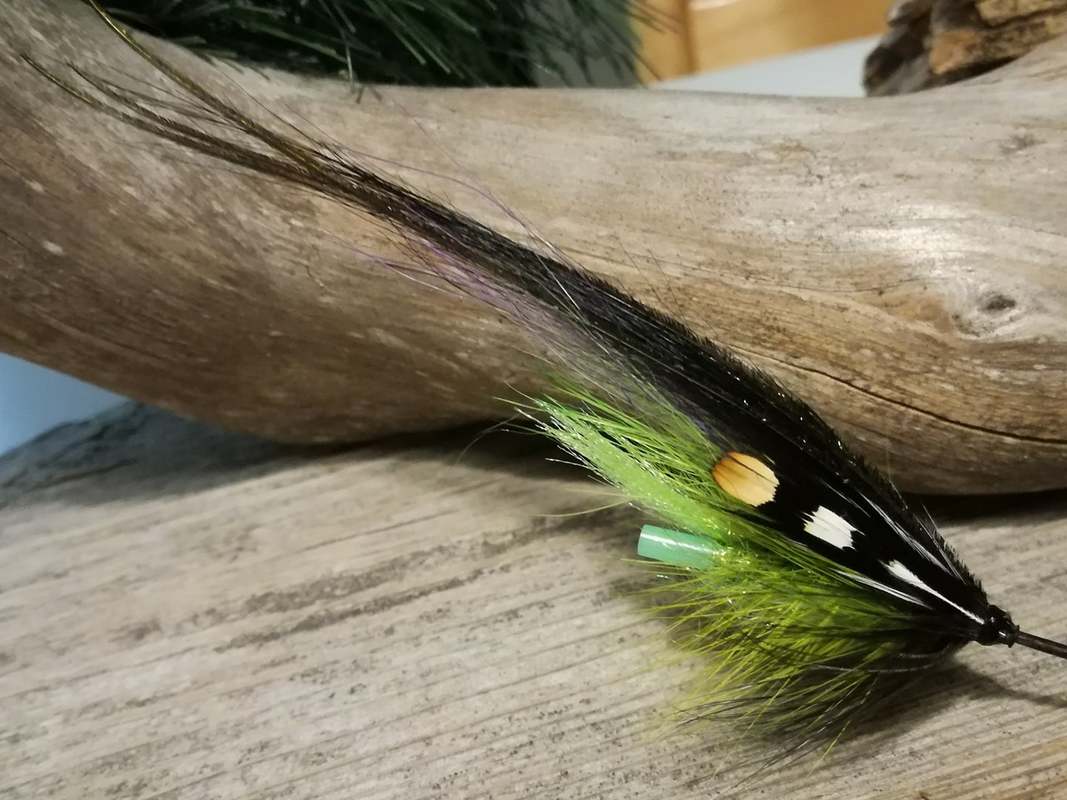
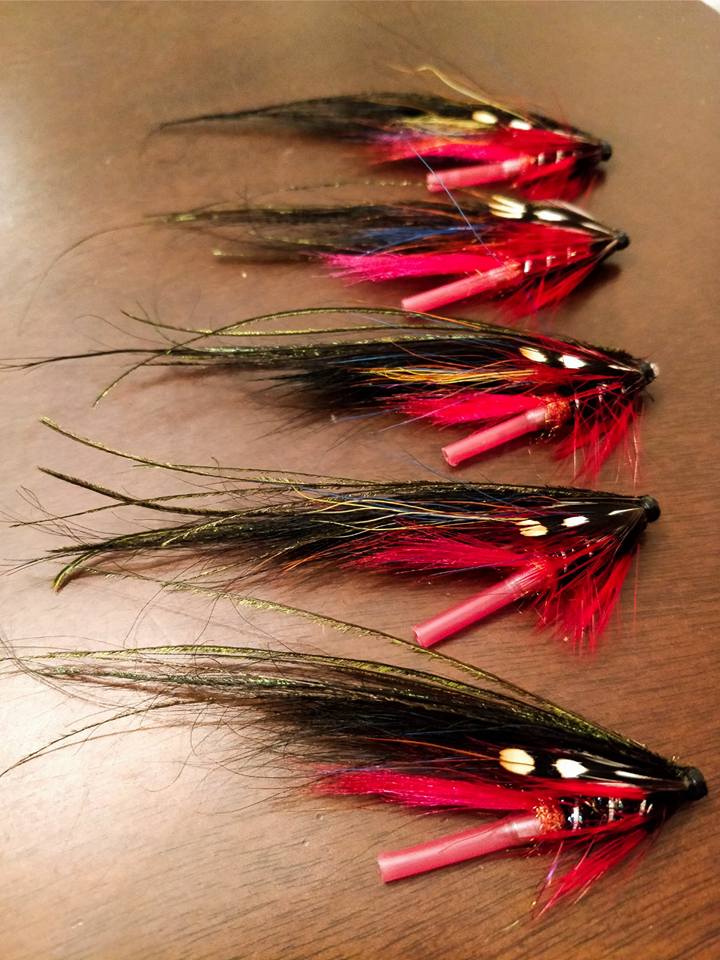
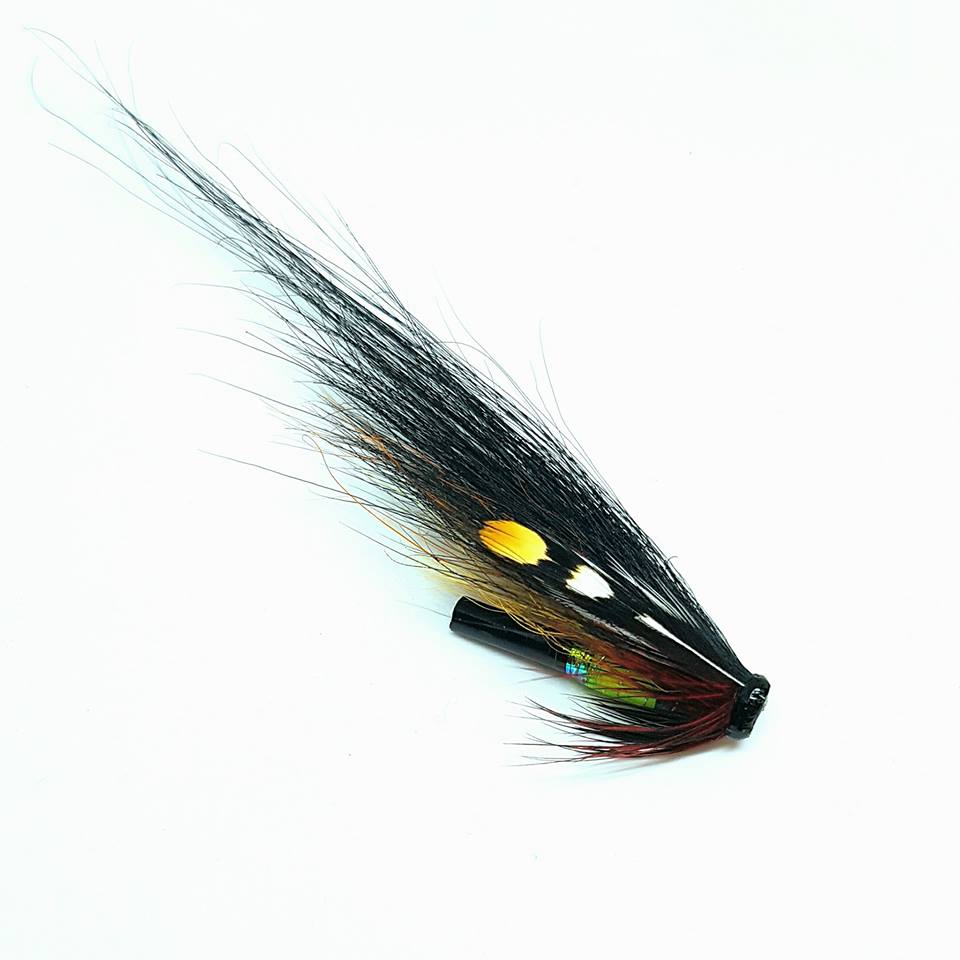
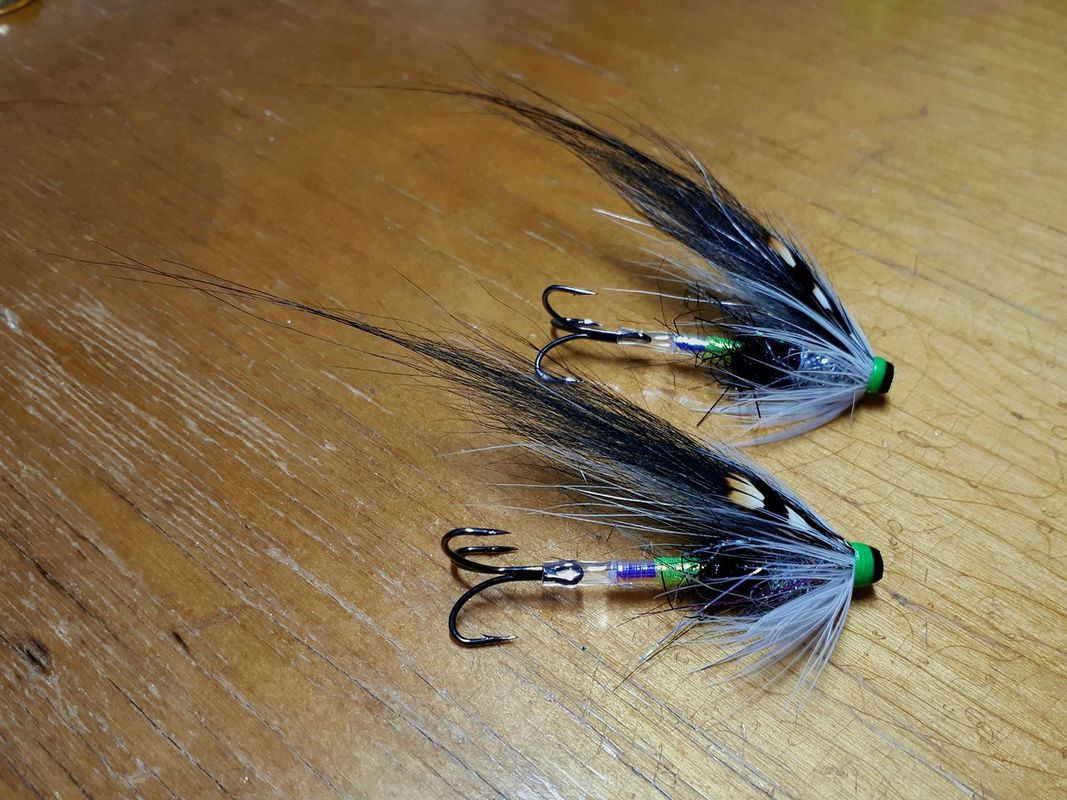
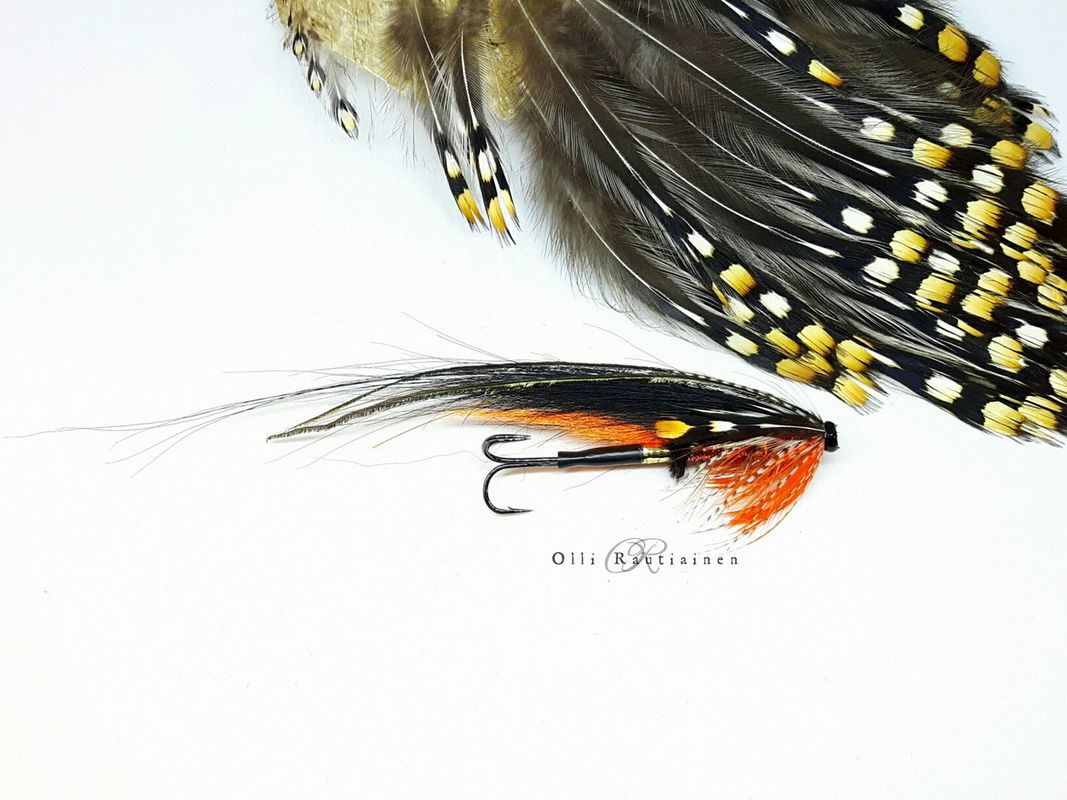
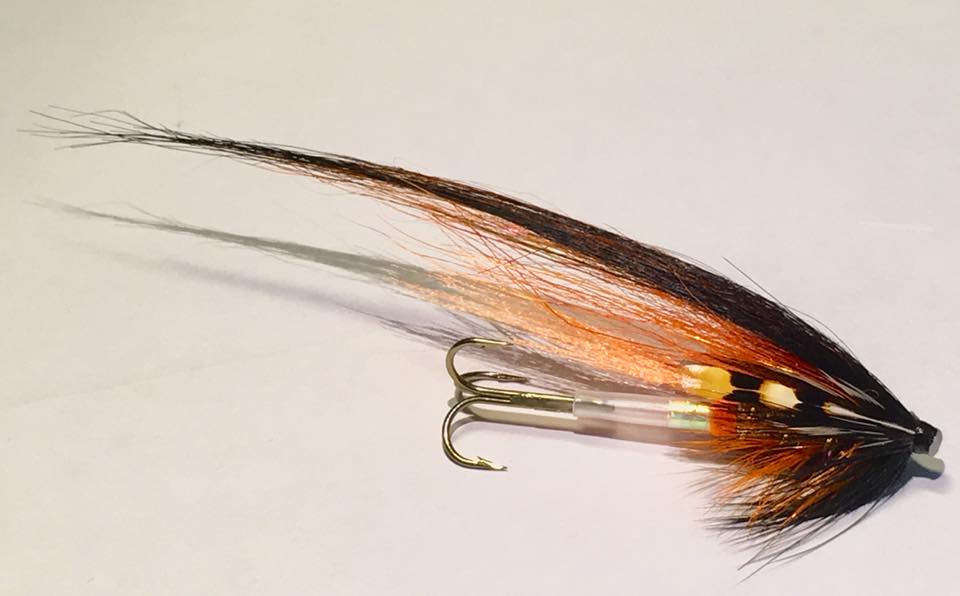
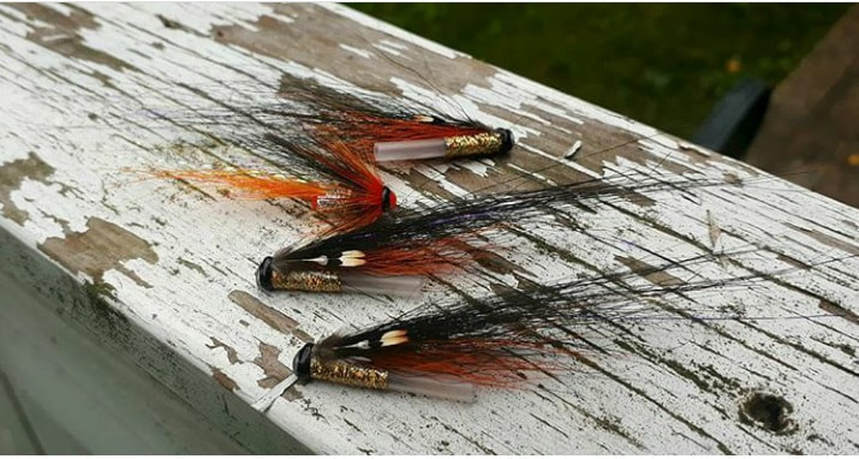
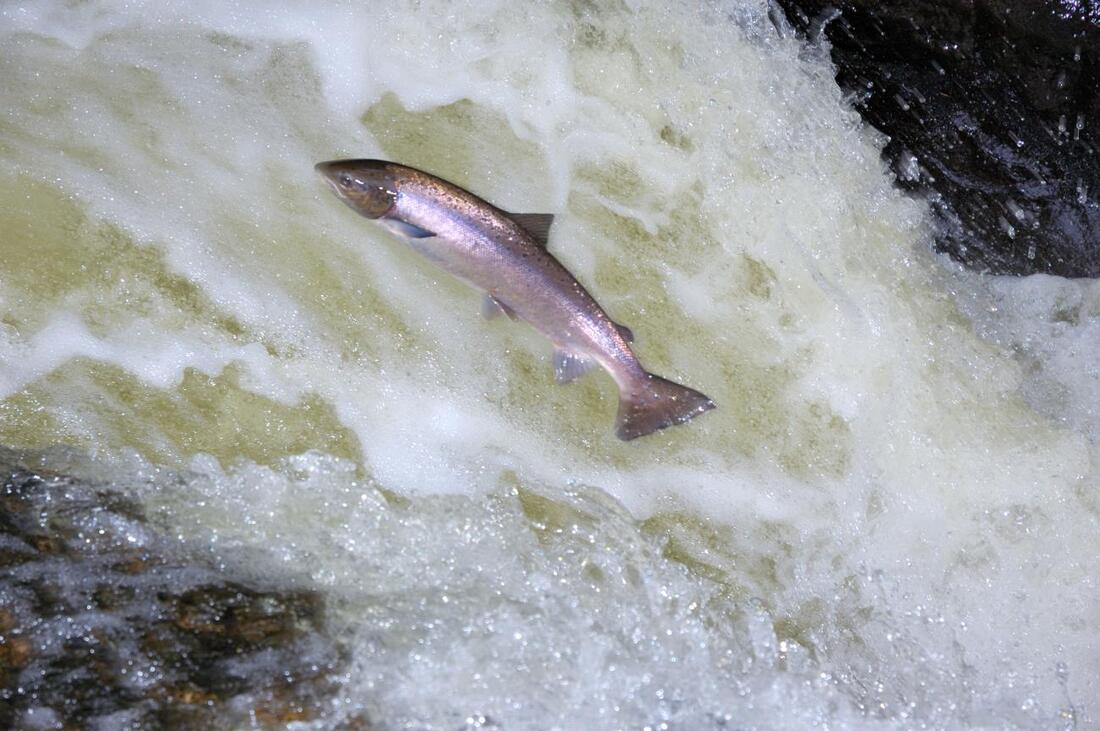
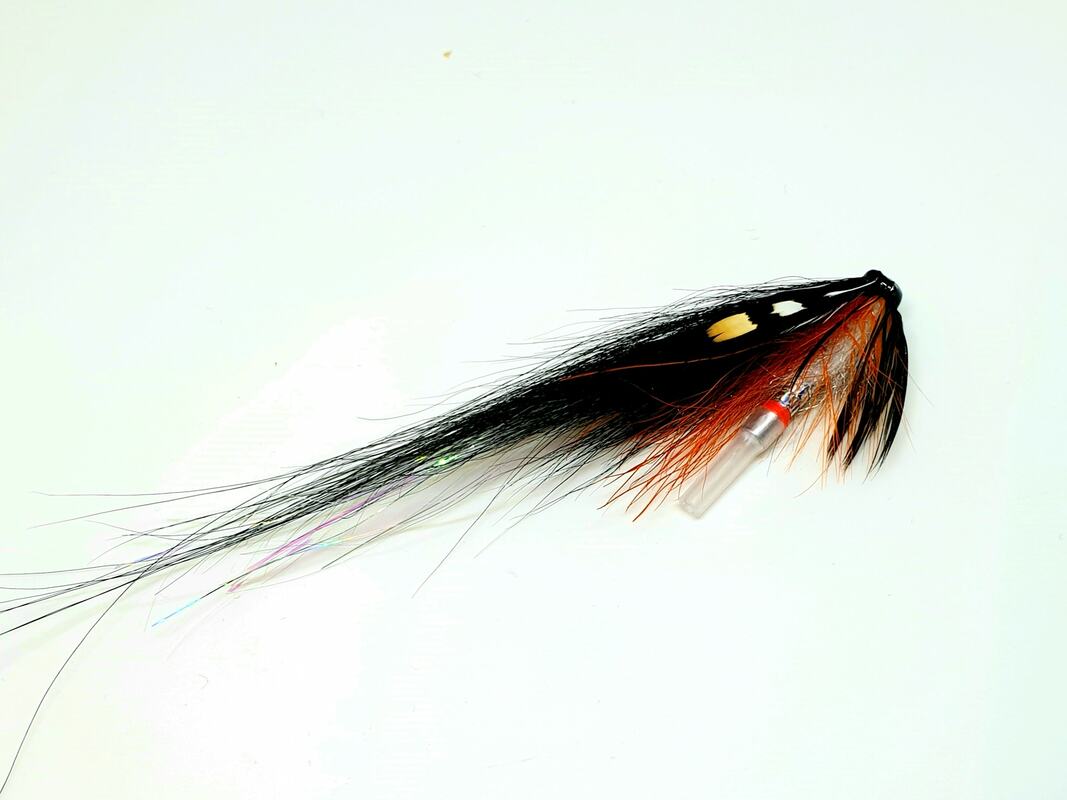
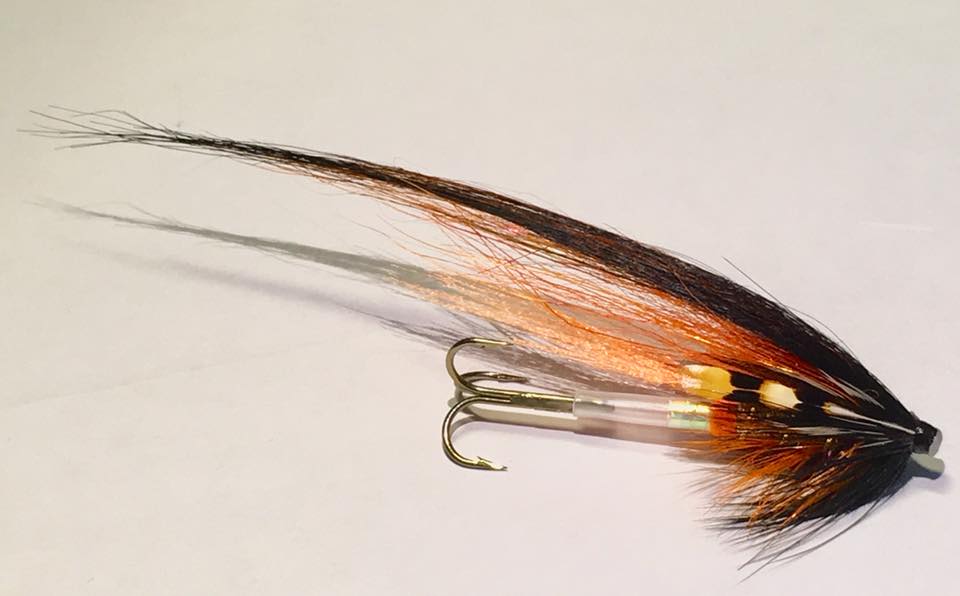
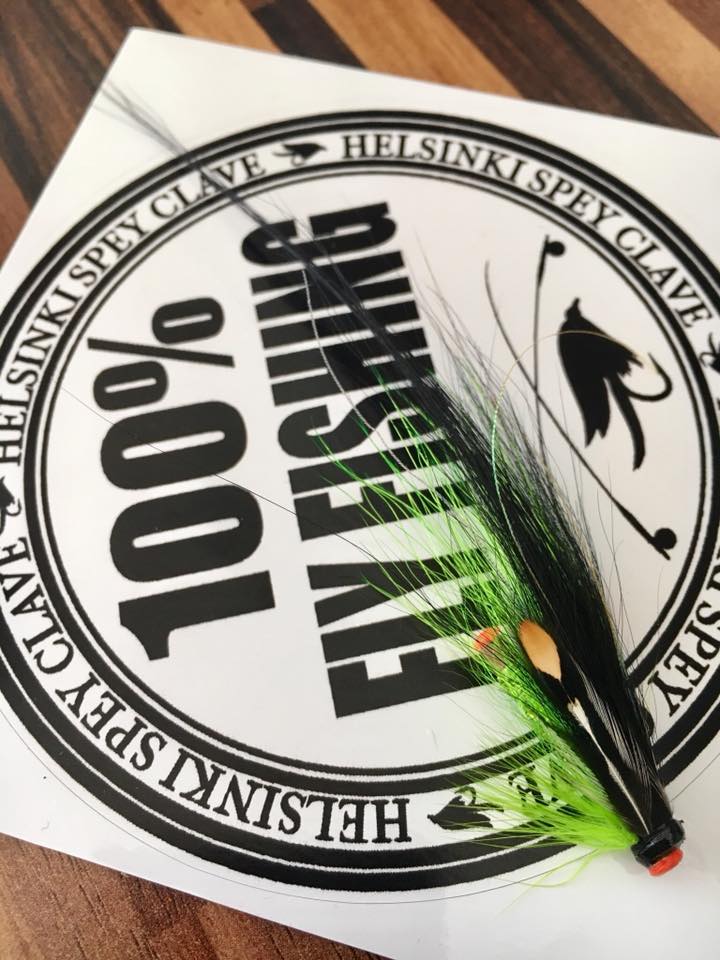
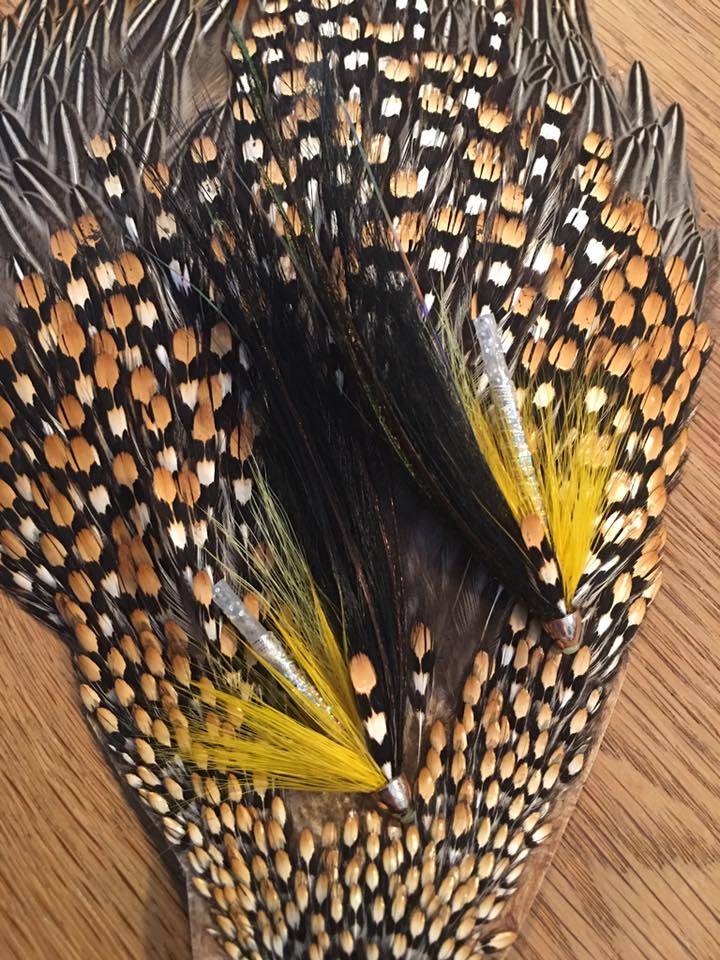
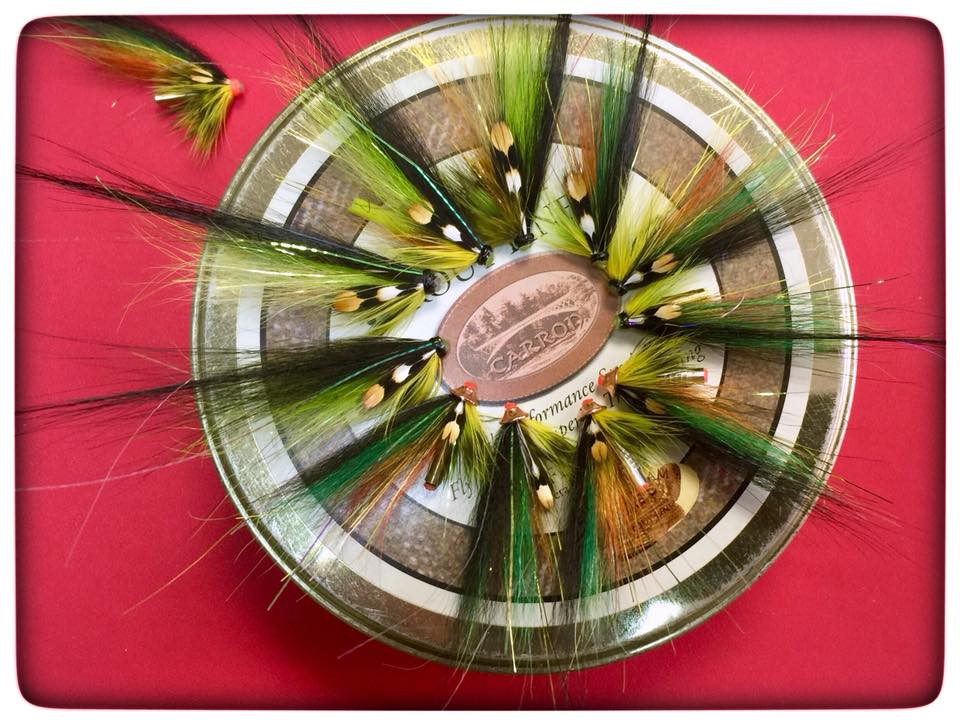
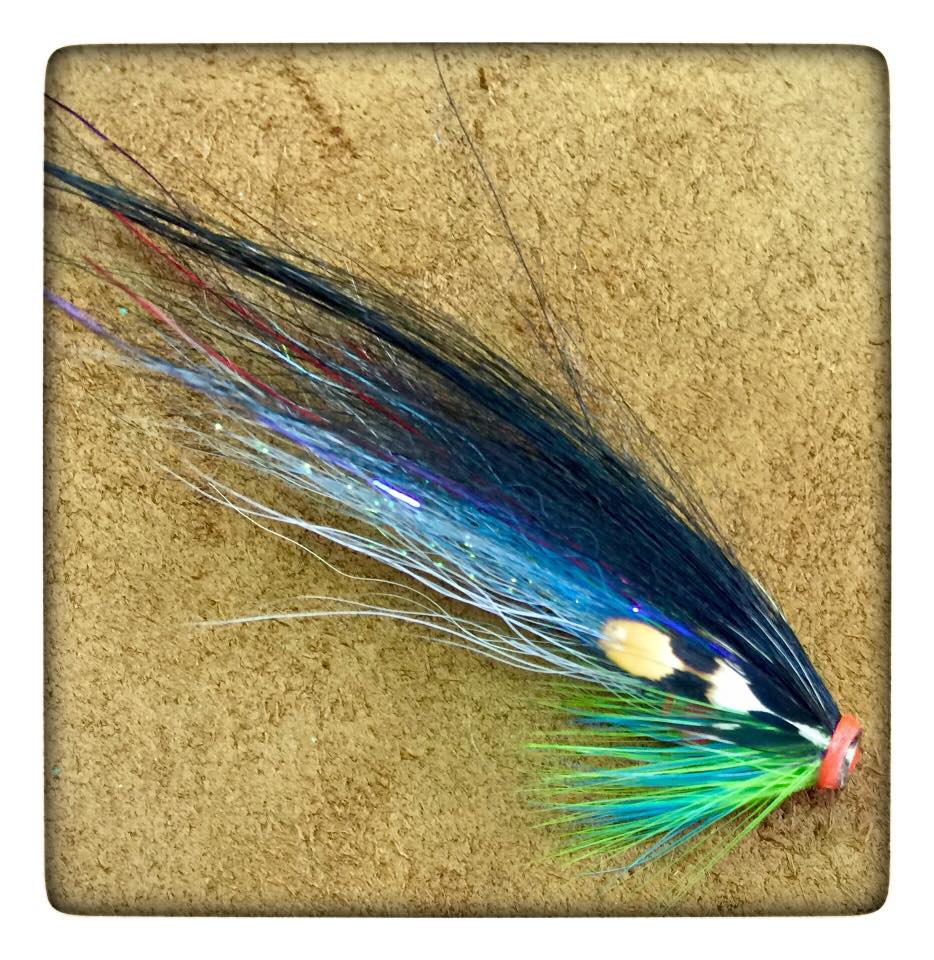
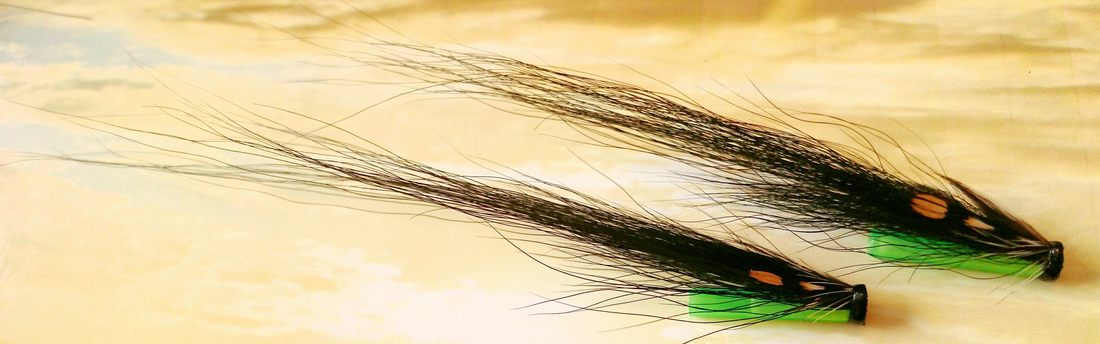
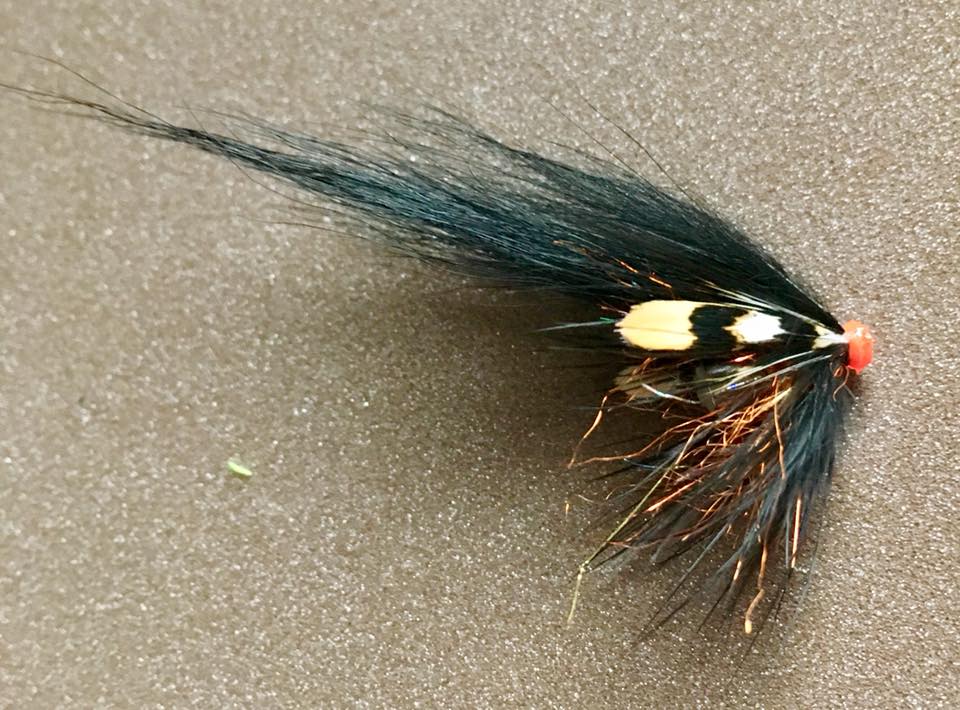
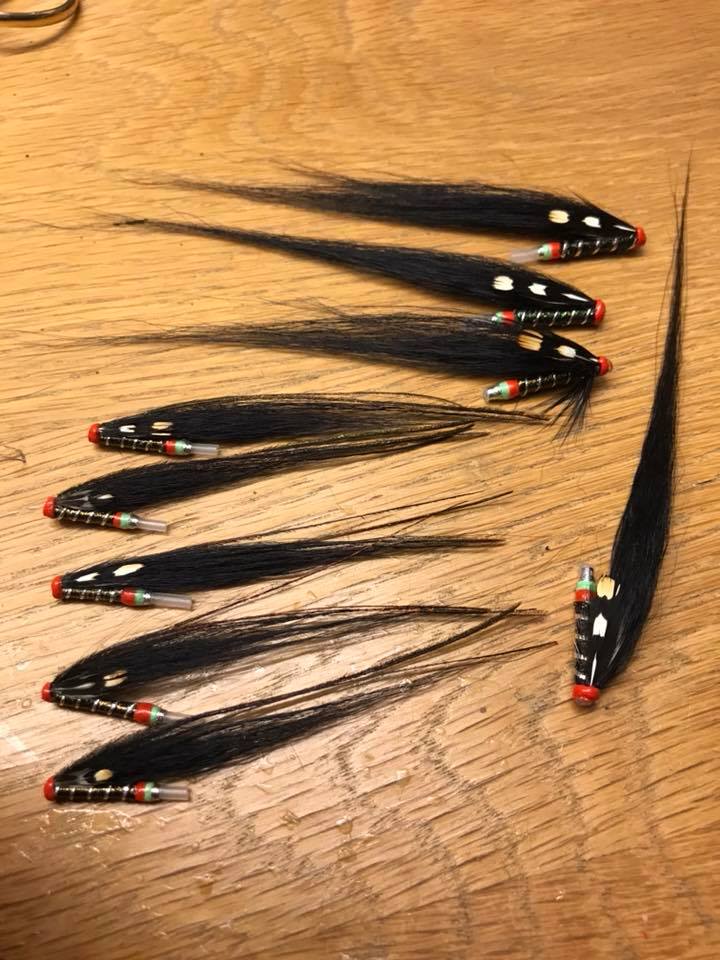
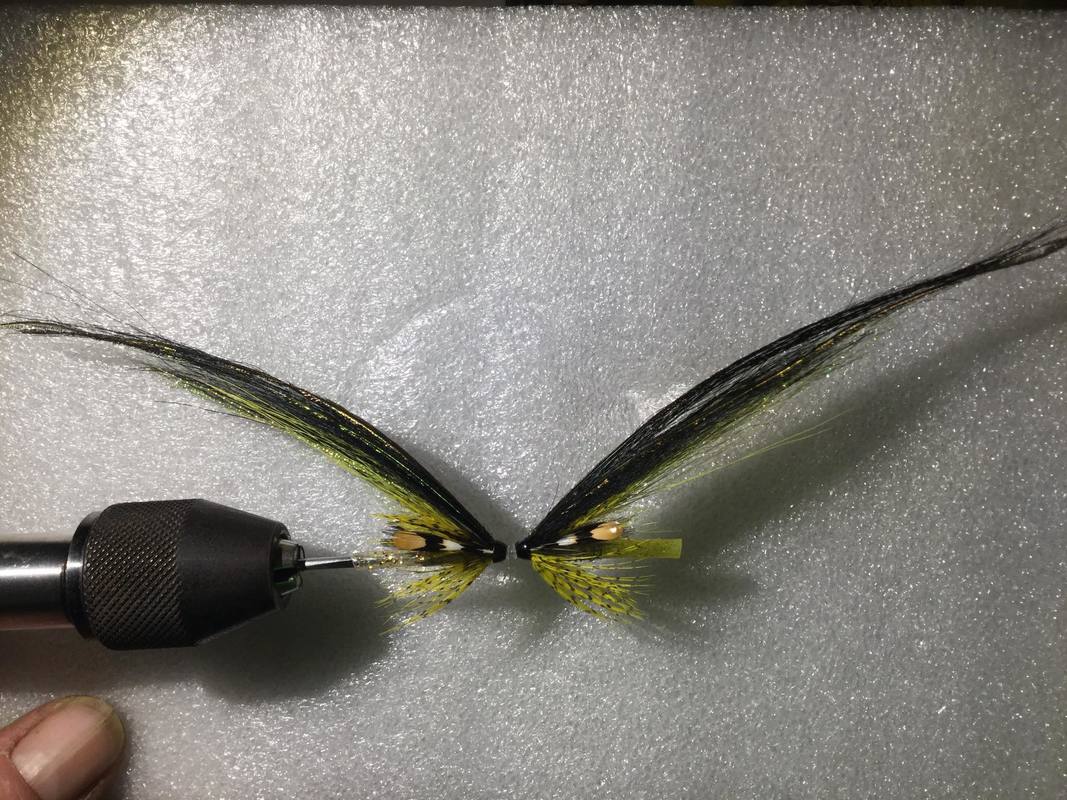
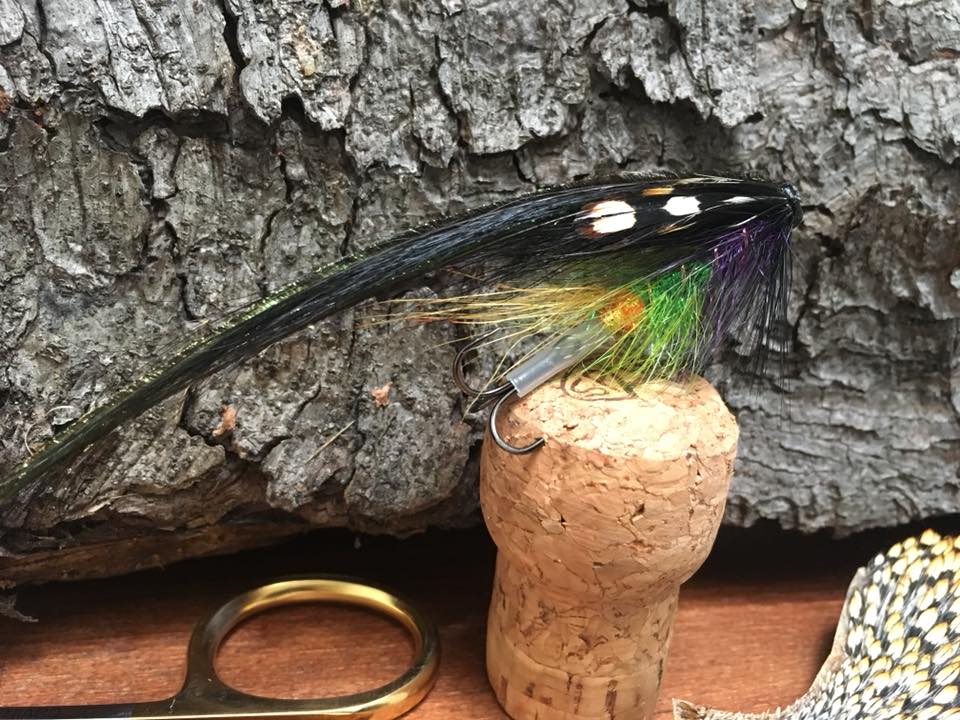
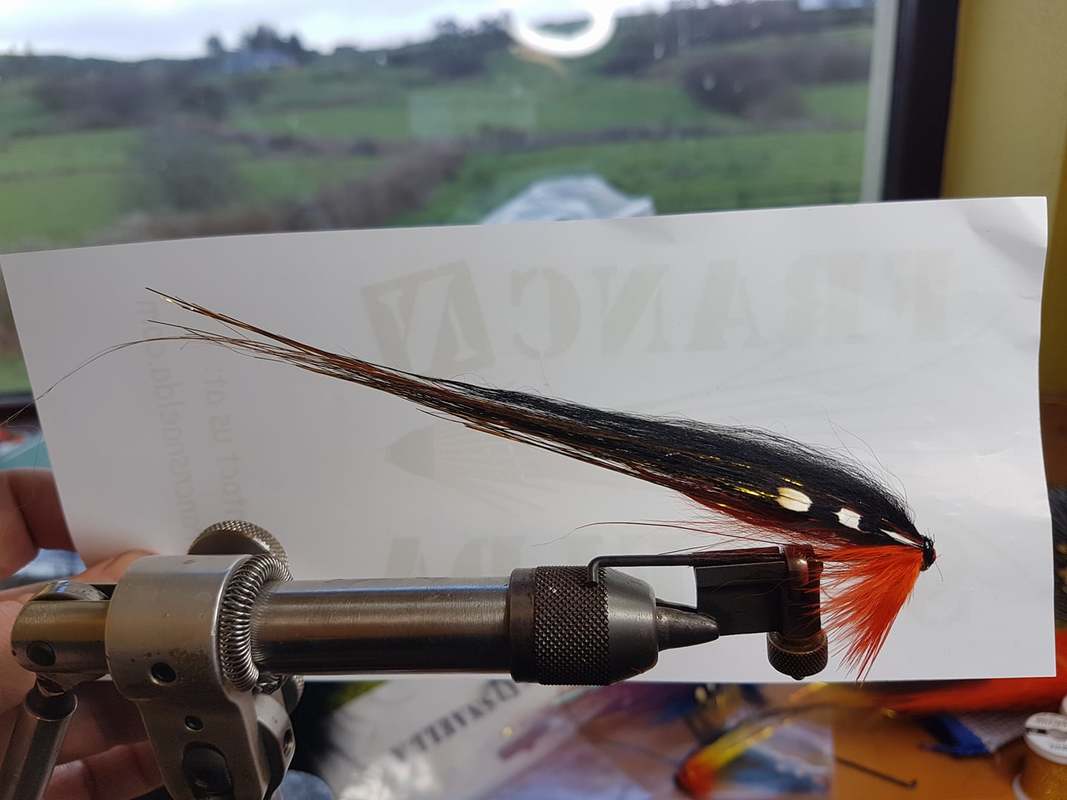
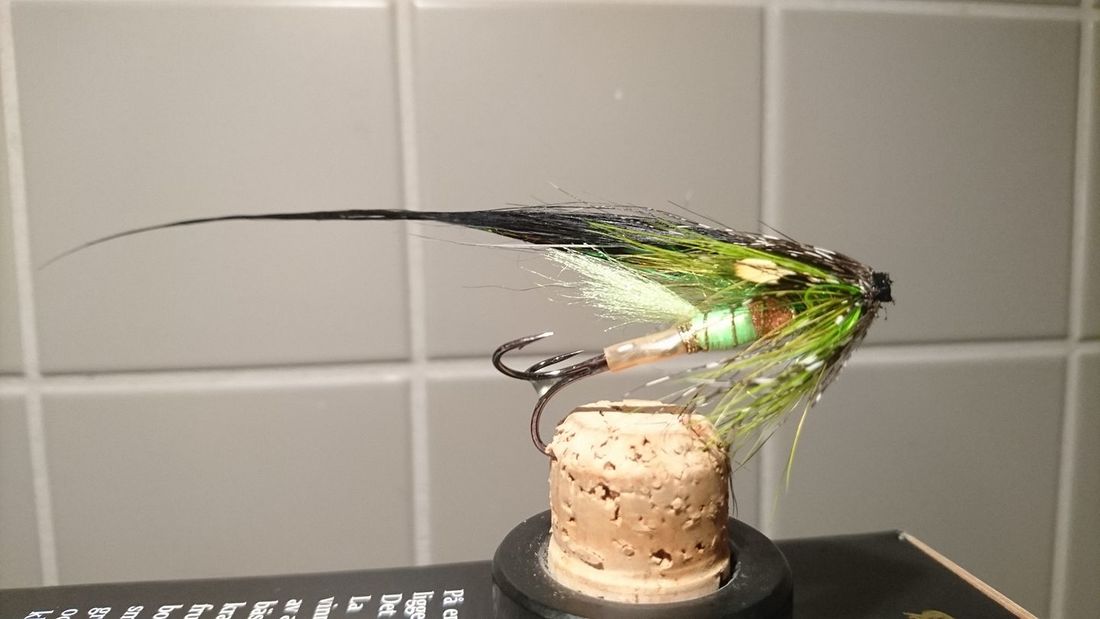
Inhabiting the cold, pristine waters of the North Atlantic, the Atlantic salmon epitomizes adaptability and endurance. Its lifecycle encompasses a complex journey that begins with hatching in freshwater rivers and streams. As young fry, they navigate their way downstream, facing numerous challenges and predators. Despite these perils, the salmon exhibit remarkable fortitude, culminating in their migration to the vast expanse of the ocean, where they spend several years maturing and growing stronger before returning to their natal rivers to spawn. This homing instinct, known as anadromy, showcases the innate connection the Atlantic salmon holds with its birthplace, emphasizing the interconnectedness of ecosystems and the intricate balance of nature. Beyond its biological characteristics, the Atlantic salmon plays a vital role in the ecological balance of freshwater and marine environments. As a keystone species, it serves as a crucial indicator of ecosystem health, influencing nutrient cycling and food web dynamics. The salmon's annual upstream migration to spawn not only contributes to the dispersal of nutrients but also sustains a diverse range of flora and fauna through predation and nutrient deposition. Furthermore, its presence as a prey species supports the biodiversity of marine ecosystems, underscoring the intricate interdependencies that underpin the delicate balance of nature. Culturally, the Atlantic salmon holds significant symbolic value across various societies and traditions. From ancient indigenous communities to modern-day conservation efforts, the salmon has been revered as a symbol of strength, regeneration, and continuity. In indigenous cultures, the salmon is often associated with abundance, sustenance, and spiritual connections to the natural world, embodying the interconnected relationship between humans and nature. Moreover, contemporary conservation initiatives center around protecting and preserving the Atlantic salmon population, recognizing its intrinsic value as an emblem of environmental stewardship and sustainability. In conclusion, the Atlantic salmon stands as a captivating symbol of resilience in the aquatic world, embodying the harmony and interconnectedness that define the intricate tapestry of our planet's ecosystems. From its awe-inspiring life cycle to its ecological significance and cultural symbolism, the Atlantic salmon serves as a poignant reminder of the beauty and fragility of the natural world. As stewards of the environment, it is imperative that we safeguard the future of this remarkable species and its habitat, ensuring that future generations can continue to marvel at the enduring legacy of the Atlantic salmon. Spring is a popular season for Atlantic salmon fishing, as this is when the fish begin their migration from the ocean to their spawning grounds in freshwater rivers. Spring rivers with Atlantic salmon can be found in various locations, including North America, Europe, and Russia. When fishing for Atlantic salmon in spring rivers, anglers typically use a variety of techniques, including swinging flies, nymphing, and stripping streamers. The choice of technique will depend on the specific conditions of the river, including water temperature, flow rate, and visibility. It's important to note that Atlantic salmon are a prized game fish and are typically released back into the water after being caught. Anglers should also be aware of any local regulations regarding fishing for Atlantic salmon, as there may be restrictions on the number of fish that can be caught or kept. Overall, spring rivers with Atlantic salmon offer a unique and challenging fishing experience for anglers looking to test their skills and enjoy the beauty of these magnificent fish in their natural environment. Spring rivers with Atlantic salmon are highly sought after by anglers due to the unique fishing opportunities they offer. Atlantic salmon are anadromous fish, which means that they live in the ocean for most of their lives but return to freshwater rivers to spawn. In the spring, as the water temperatures begin to warm, Atlantic salmon will begin to migrate upstream from the ocean to their natal rivers to spawn. Spring rivers with Atlantic salmon provide anglers with a unique opportunity to catch these prized fish using fly fishing techniques. The spring run can provide some of the most exciting and challenging fly fishing of the season, as the fish are typically larger and more aggressive during this time. Anglers typically use a variety of techniques when fishing for Atlantic salmon in spring rivers, including swinging flies, dead drifting, and nymphing. The most popular fly patterns used for Atlantic salmon fishing include traditional wet flies, such as the Green Highlander, Silver Doctor, and Jock Scott. Spring rivers with Atlantic salmon are often found in colder climates, such as Russia, Canada, Scotland, and Norway, and typically have clear water and rocky bottoms. Many of these rivers are also located in remote wilderness areas, providing anglers with a unique and peaceful fishing experience in a natural setting. Picture is for attention only and the flies are tied by Jorma Sakari
|
|






RSS Feed